
Custom Deck Builders in Milton, FL
Outdoor Living Built Solid From the Footings Up
One of the riskiest shortcuts in deck building is hanging the ledger board from a house with nails, a method building codes reject because nails can pull loose under the weight of a crowded deck. Golden Framing Inc. builds decks with bolted, flashed ledgers for backyard homeowners across Milton, FL, Pace, Pensacola, Bagdad, and Gulf Breeze, including pressure-treated wood decks, composite decks, raised and multi-level designs, stairs and railings, covered decks, and repairs to aging structures.
A deck spends its whole life outdoors in heat, rain, and salt-tinged air, so we build the parts you never see as carefully as the boards you walk on. Footings are sized for sandy soil, joists sit in galvanized or stainless hangers, and guards meet height and spacing rules that keep kids and guests safe. Our 40 years in carpentry shape every one of those choices. Bring your backyard ideas to our quote form to start the design.
Our Deck Services
Pressure-Treated Wood Decks
Southern pine treated for outdoor exposure makes a strong, budget-friendly deck that takes stain beautifully. Ground-contact posts and joists resist decay, and a classic wood surface can be refreshed or recolored every few years as tastes change over time.
Composite Decks
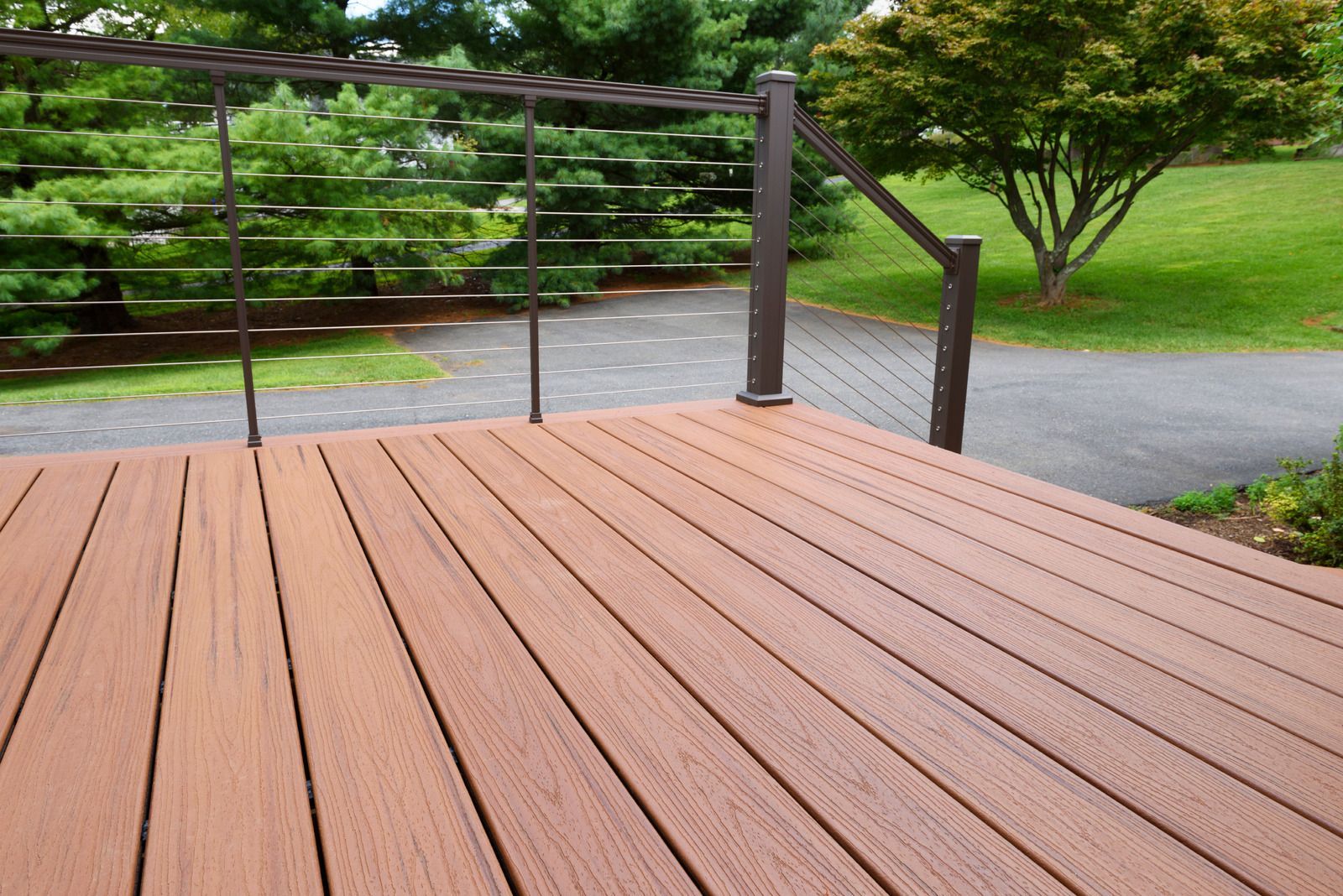
Composite and PVC boards resist splintering, fading, and rot, so they skip routine sealing entirely. Hidden fastener systems leave a clean surface, and the boards install over properly spaced treated framing that is built to last as long as the decking.
Raised and Multi-Level Decks
Sloped yards and second-story doors call for elevated decks with taller posts, diagonal bracing, and carefully engineered connections. Multiple levels can separate dining and lounging zones while following the natural grade of the yard and stepping down toward the lawn.
Deck Stairs and Railings
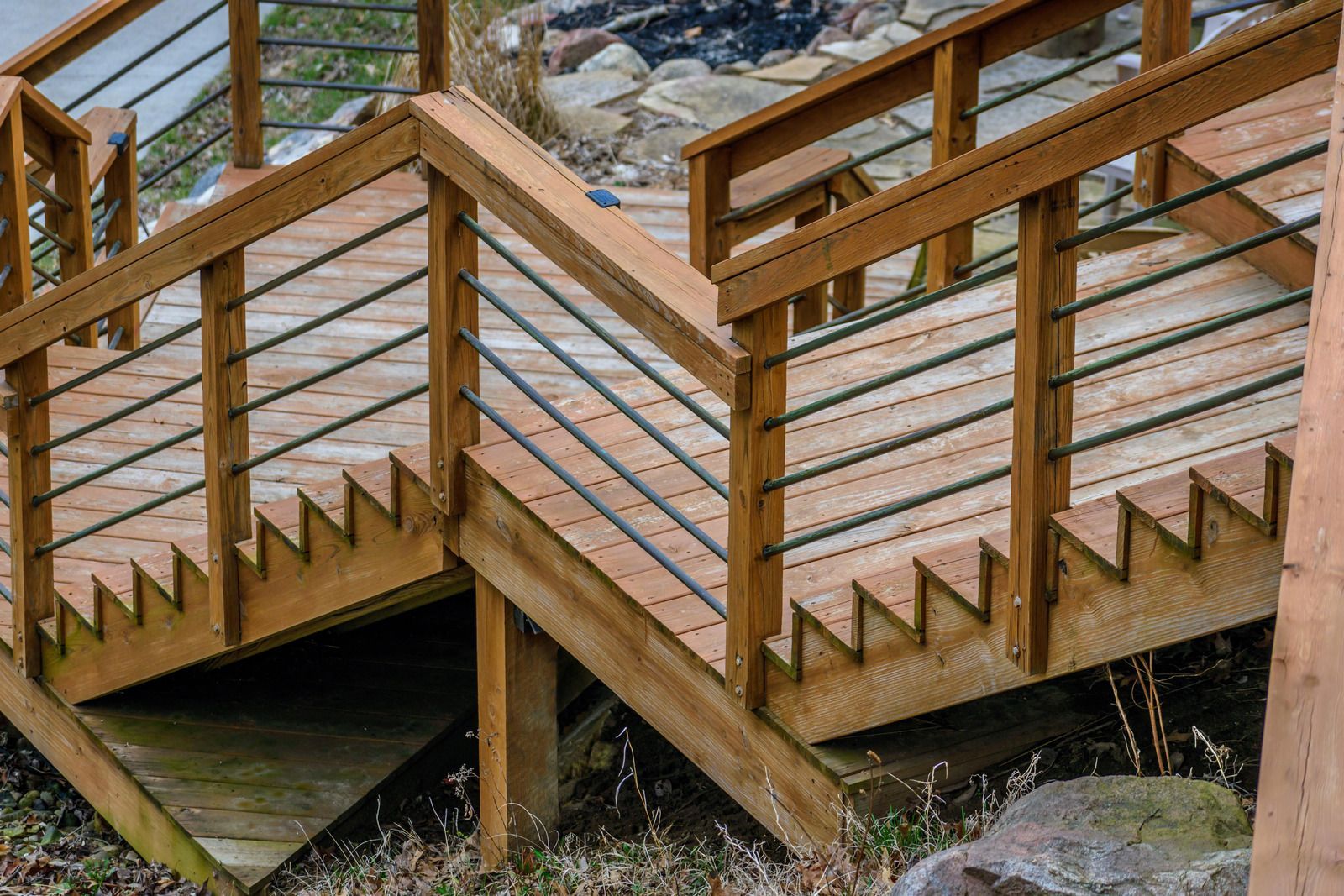
Stairs need consistent risers, solid stringers, and graspable handrails, while railings must meet height and baluster spacing rules. Railing options include treated wood, composite, powder-coated aluminum, and cable systems that keep views open toward the yard, pool, or water.
Covered Decks and Pergolas
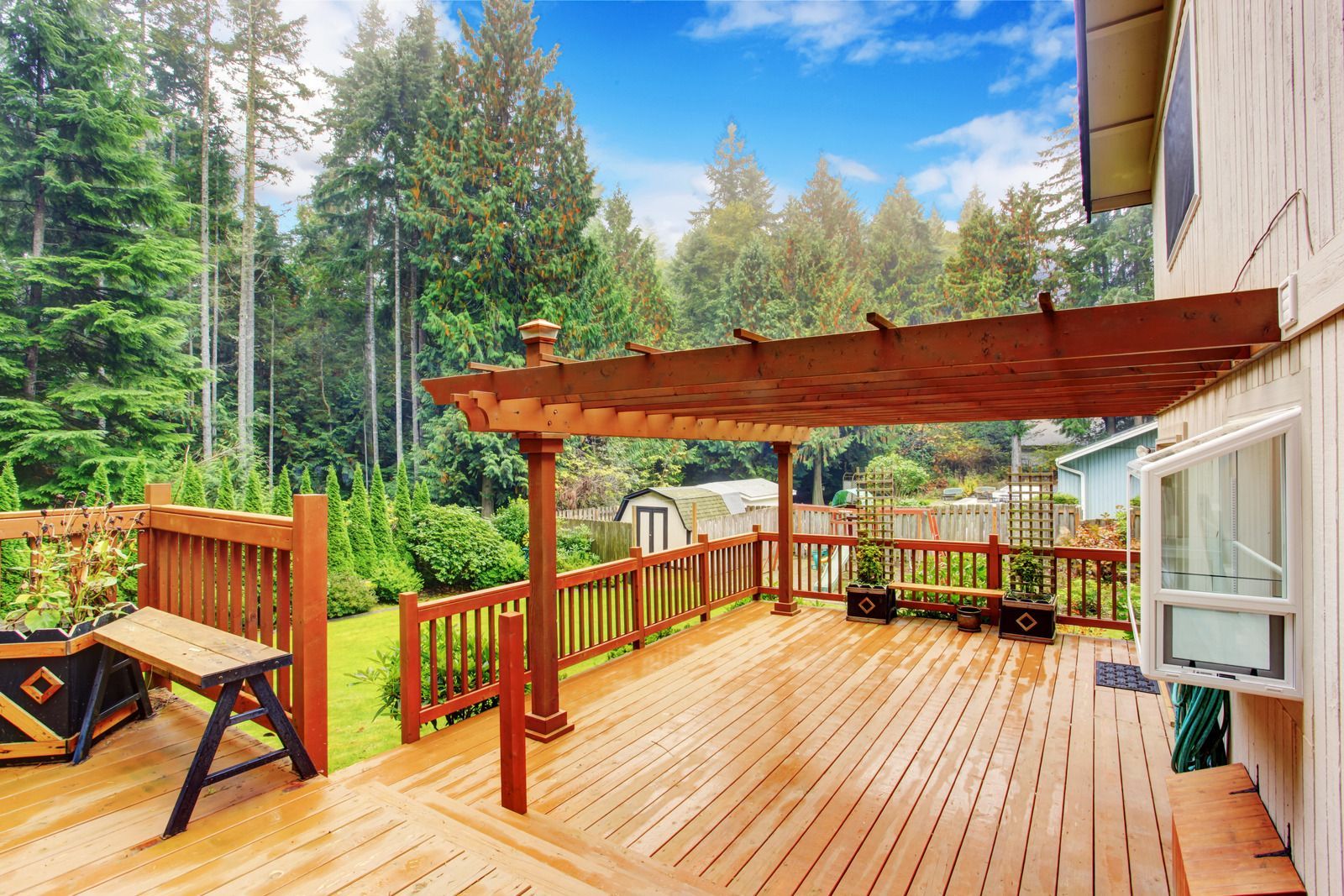
Roofed decks shed light rain and pergolas filter harsh afternoon sun, turning an open platform into a true outdoor room. Posts and beams are sized for the roof load and tied down against uplift, since covered structures catch gusts from below.
Deck Repair and Resurfacing
Soft boards, wobbly railings, rusted hardware, and rotting joists get replaced before they become hazards. When the framing is still sound, new decking and railings over the existing structure deliver a fresh look without the time and mess of a complete rebuild.
Benefits of Decks
More Room to Live Outdoors
A deck adds usable square footage for meals, gatherings, and quiet evenings without the expense of an enclosed addition. In a climate this mild, that outdoor room gets used most months of the year, from spring crawfish boils to fall cookouts.
A Smooth Step From House to Yard
Building at floor level eliminates the awkward drop from sliding doors and creates an easy transition toward the lawn. Kids, older relatives, and pets move between house and yard more safely and comfortably, even with arms full of plates.
A Natural Gathering Spot
Decks become the place where birthdays, game days, and casual weeknight dinners happen. Having a defined outdoor space encourages more time outside together and makes hosting easier, since guests can spread out instead of crowding the kitchen and living room.
Safer Than an Aging Deck
Replacing a weathered deck removes loose railings, rotted boards, and corroded connectors that put family and guests at risk. New construction with modern hardware and code-compliant guards lets you host without worrying about what is happening underneath the boards.
Low Upkeep With the Right Materials
Composite decking and aluminum railings need little more than an occasional wash, while treated wood stays handsome with periodic cleaning and stain. Choosing materials around your maintenance preferences keeps the deck enjoyable rather than one more item on the to-do list.
A Design That Fits Your Home
Shapes, levels, board colors, railing styles, and built-in benches or planters can all reflect how you live and how your house looks. A custom layout frames views, wraps around trees, and connects naturally to existing doors and patios.
Your Backyard Is Ready for a Better View
Picture a Saturday evening with the grill going, friends settled into chairs, and the sky turning orange over the trees, all from a deck that feels as solid as the floor inside. At Golden Framing Inc., we build decks like that for families across Milton, FL, with footings, framing, and hardware chosen to handle sun, rain, and the occasional tropical storm. Whether you want a simple platform off the kitchen or a covered, multi-level retreat, a good design begins with how you plan to use it. Measure the area you have in mind, gather a few photos you love, and visit our contact page to talk through ideas and request an estimate.
FAQs
Should I build with pressure-treated wood or composite decking?
Treated wood feels natural underfoot and accepts stain in almost any color, but it needs regular cleaning and resealing. Composite resists rot, splinters, and fading with minimal upkeep, and most composite decks still sit on treated wood framing underneath.
What fasteners and hardware hold up best near salt air?
Hot-dip galvanized connectors work for most inland decks, but stainless steel lasts far longer within a few miles of salt water and around saltwater pools. At Golden Framing Inc., we match hardware to each deck’s exposure for homes around Milton, FL.
Can a deck be freestanding instead of attached to the house?
Yes. A freestanding deck uses its own beam and posts along the house side instead of a ledger, which avoids drilling into the wall and protects the siding. It needs extra bracing to stay stable, since the house no longer steadies it.
When does a deck need a railing?
Residential codes require guards on any deck surface more than 30 inches above the ground below. Guards must stand at least 36 inches tall, and openings between balusters must stop a 4-inch sphere from passing through to protect small children.
How deep should deck footings be in Northwest Florida?
Without frost to worry about, footings typically extend at least 12 inches below undisturbed soil, but sandy ground may need wider or deeper bases. Our team at Golden Framing Inc. sizes footings for each deck’s load and soil conditions around Milton, FL.
How often should a wood deck be cleaned and sealed?
Most treated wood decks benefit from cleaning every year and a fresh coat of sealer or stain every 1 to 3 years, depending on sun exposure. A simple water test helps: if drops soak in quickly, the surface needs protection.
Can a deck support a hot tub?
Only if it is designed for one. A filled hot tub with bathers can weigh several tons, far beyond a typical deck’s design load, so the framing beneath needs extra posts, beams, and footings sized by an engineer’s calculation.
Which deck boards stay coolest underfoot in summer?
Light-colored boards run noticeably cooler than dark ones in direct sun. Wood and newer capped composites with heat-reducing technology feel more comfortable on bare feet than older dark composites, and shade from a pergola or roof helps every surface most.