
Siding Installation and Repair in Milton, FL
Fresh Exterior Walls That Shed Gulf Coast Rain
Roughly 67 inches of rain falls on Milton in an average year, with June through August each bringing about 7 inches, and plenty of it arrives sideways on summer storm winds. Golden Framing Inc. installs and repairs siding for homes and small commercial buildings across Milton, FL, Pace, Pensacola, Navarre, and Jay, working with vinyl, fiber cement, and engineered wood products, handling full replacements and storm repairs, along with house wrap, soffits, fascia, and trim that complete the exterior envelope.
Siding only performs as well as the layers behind it, so we start by repairing sheathing, wrapping walls with a weather-resistive barrier, and flashing every window and door before the panels go up. Products are installed to their Florida product approval and manufacturer wind ratings, with fastener spacing and clearances that let each material move as it should. Behind that care are 40 years of building experience. Use our quote form to describe your walls and request an estimate.
Our Siding Services
Vinyl Siding Installation
Vinyl delivers low-maintenance color that never needs paint, in profiles from traditional lap to board and batten and shakes. Panels are hung loosely on their nailing hems so they expand and contract freely through hot afternoons and cooler nights.
Fiber Cement Siding
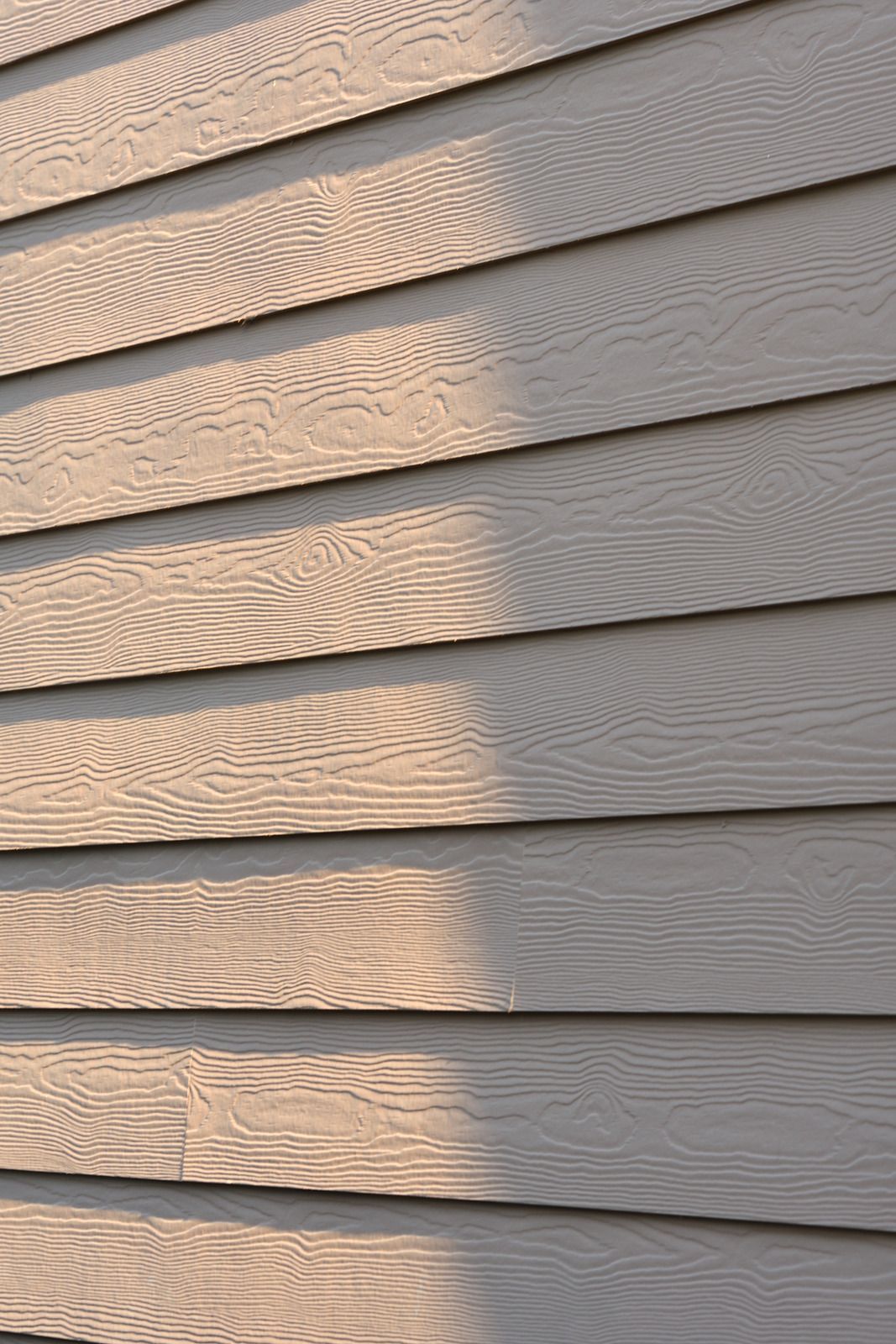
Cement, sand, and cellulose fibers combine into planks and panels that resist rot, termites, and fire while holding paint for years. Products engineered for hot, humid climates stand up to Gulf Coast moisture, and cut edges are protected according to manufacturer guidance.
Engineered Wood Siding
Resin-treated wood strands pressed into lap boards and panels give the warm look of real wood with better resistance to fungal decay and termites. The material is lighter than fiber cement, cuts cleanly, and arrives primed or prefinished in many colors.
Siding Repair and Replacement
Cracked panels, storm-torn sections, and rotted boards are replaced with matching profiles and colors wherever possible. Before new pieces go on, the sheathing and framing beneath are checked, because siding damage often hides wet wood that needs attention first.
Soffit and Fascia
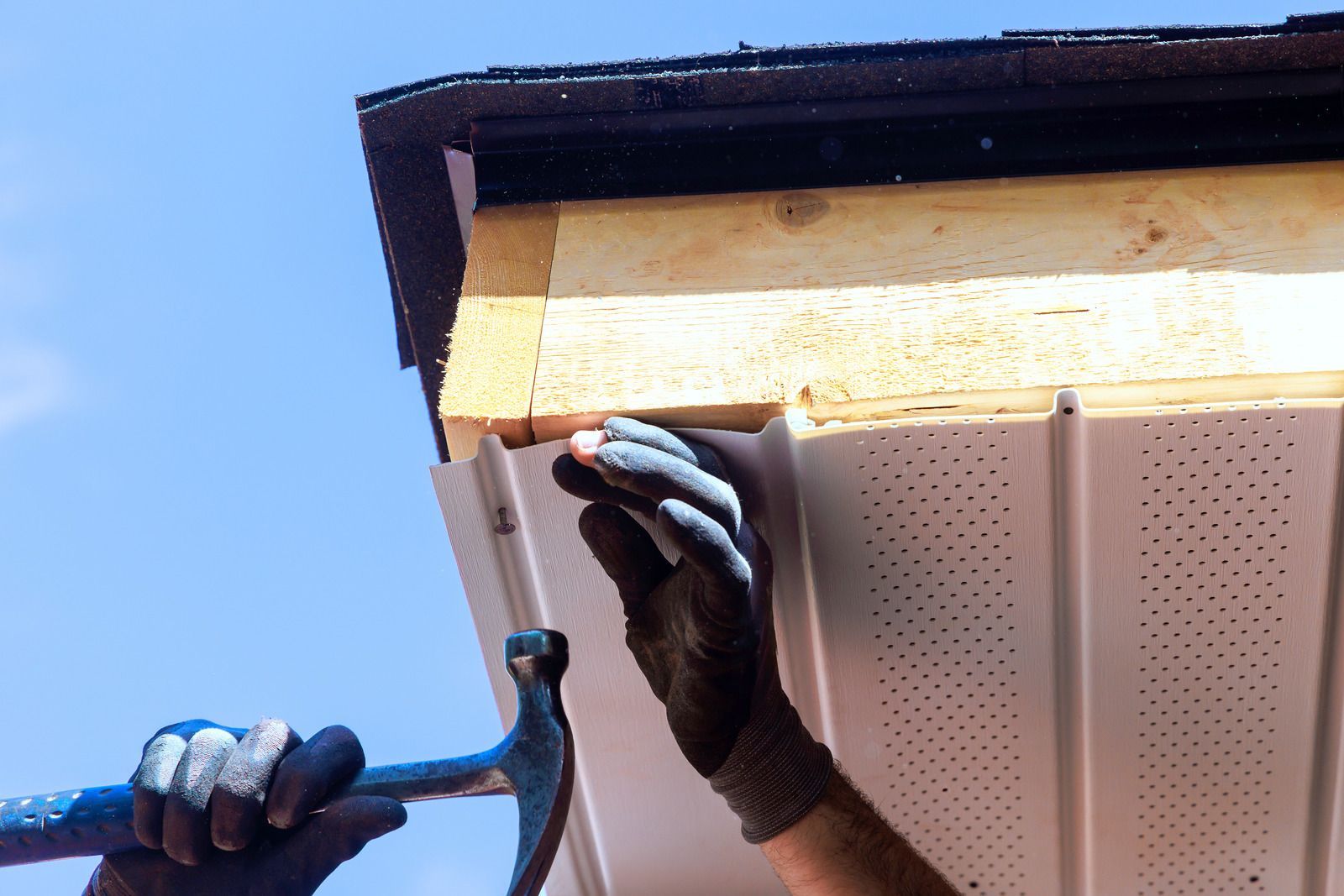
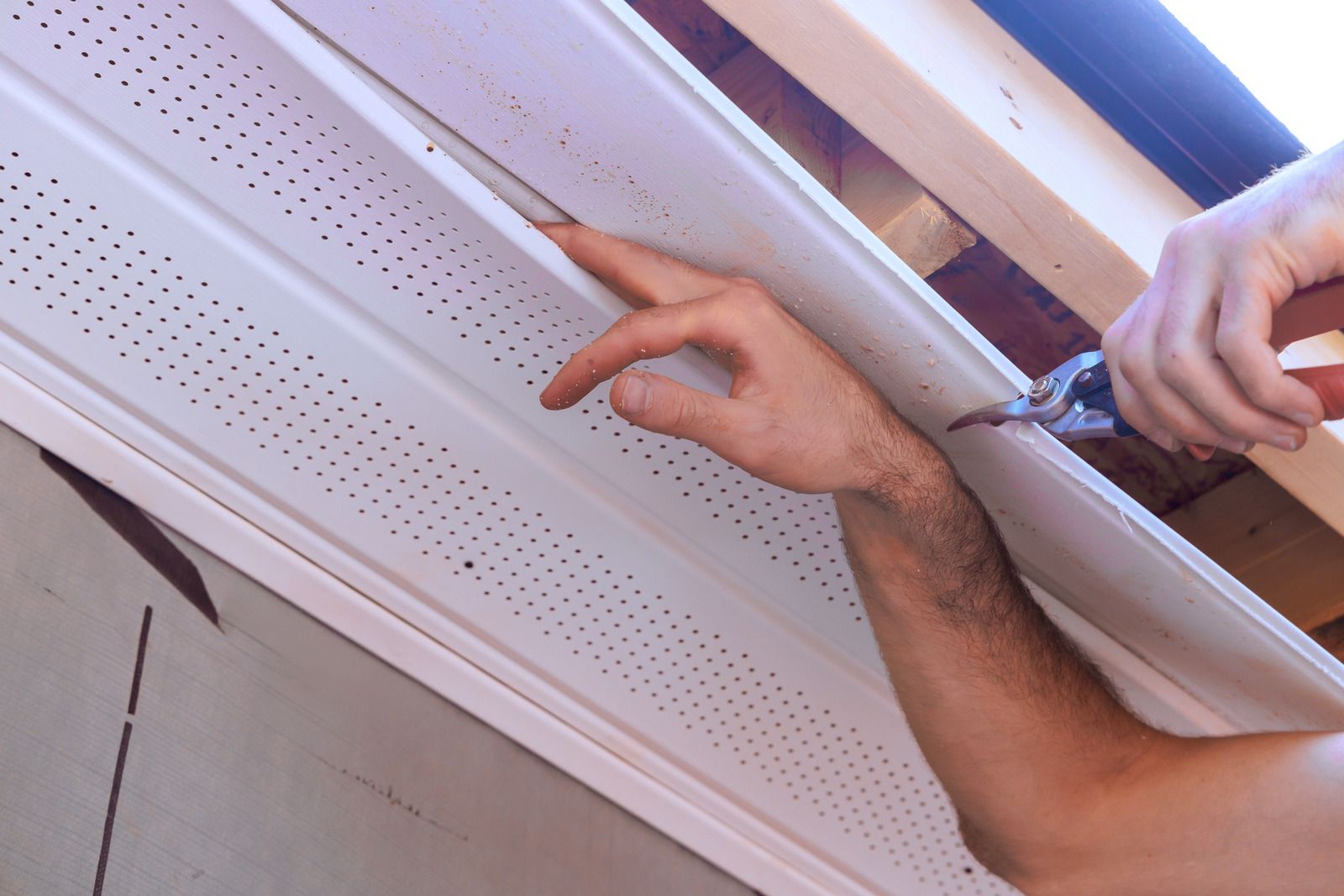
Vented soffits let attics breathe, while solid fascia boards cap rafter tails and give gutters a sturdy mount. Aluminum and vinyl versions resist rot and keep birds, bats, and insects out of the roof edge where wood often fails first.
House Wrap and Moisture Barriers
A weather-resistive barrier behind the siding catches water that inevitably gets past the outer layer and drains it down and out. Seams are lapped shingle-style and taped, and openings are flashed so wind-driven rain stays off the sheathing.
Benefits of Siding
Better Defense Against Wind-Driven Rain
A properly layered wall sheds the sideways rain that summer storms throw at a house. Keeping that water out of sheathing and framing prevents hidden rot, mold, and the costly structural repairs that follow years of slow leaks.
Dramatic Curb Appeal
New siding changes how a house looks from the street more than almost any other exterior project. Fresh color, crisp trim, and straight courses make an older home look updated and give a newer one a sharper, more finished character.
Far Less Maintenance
Modern vinyl, fiber cement, and engineered wood skip the scraping, caulking, and frequent repainting that old wood siding demanded. An occasional gentle wash keeps most products looking new, freeing weekends for something more enjoyable than ladder work and paint scrapers.
Stronger Resistance to Pests
Fiber cement, vinyl, and treated engineered wood give termites and woodpeckers little to work with. Sealing every seam and penetration tightly also closes the gaps carpenter bees, wasps, and rodents use to reach wall cavities and attic spaces.
Higher Resale Value
Prospective buyers notice siding immediately, and tired, faded, or damaged walls drag down first impressions and offers. Updated siding helps a home photograph well, pass inspection with fewer concerns, and stand out in neighborhoods where houses compete for attention.
A Tighter, More Comfortable Home
Fresh wrap, sealed penetrations, and well-fitted siding reduce the drafts and humid air leaking through older exterior walls. Insulated siding options wrap the studs in a continuous layer, trimming heat gain through the framing and keeping rooms near exterior walls more comfortable.
Walls That Look Sharp and Keep the Weather Out
Siding is the part of your home that neighbors see every day and the part storms test every summer, so it has to look good and work hard at the same time. At Golden Framing Inc., we install and repair siding across Milton, FL, starting with sound sheathing and a carefully lapped barrier, then finishing with straight courses and clean trim lines. If your walls are faded, cracked, or simply dated, it may be time to compare materials and colors side by side. Take a slow walk around the house, note which walls look the most tired, and reach out through our contact page to set up a siding consultation.
FAQs
Is vinyl or fiber cement siding better for the Gulf Coast?
Both handle humidity well. Vinyl is lighter and never needs paint, while fiber cement resists impact, fire, and fading better and feels more like painted wood. At Golden Framing Inc., we help homeowners in Milton, FL, weigh wind ratings, looks, and upkeep.
Does siding need Florida product approval?
Yes. Exterior wall cladding, including siding, must carry Florida statewide or local product approval showing it meets the wind pressures required by the Florida Building Code. Inspectors and permit reviewers check approval numbers, so unapproved bargain products can cause problems.
What siding colors hold up best in strong sun?
Lighter shades fade less noticeably and absorb less heat, which also reduces warping risk on vinyl. Darker colors look striking but need fade-resistant formulations, such as vinyl rated for dark hues or factory-baked finishes on fiber cement, to stay rich longer.
How long does siding last in Florida’s climate?
Premium vinyl commonly lasts 20 to 40 years, fiber cement often reaches 30 to 50, and engineered wood typically lasts several decades with paint maintenance. Installation quality, sun exposure, and how well water is managed behind the siding all affect lifespan.
Can new siding go over old siding?
Sometimes, but it often hides problems. Covering old wood or vinyl traps rot or moisture beneath and can complicate wind-rated installation. At Golden Framing Inc., we usually remove old siding on homes in Milton, FL, so the sheathing can be inspected first.
Why does vinyl siding warp or melt in spots?
Panels nailed too tightly buckle as they expand, but localized melting often comes from sunlight reflected off a neighbor’s energy-efficient windows. Low-emissivity glass can concentrate heat on nearby vinyl, and window screens, shading, or landscaping usually solve the problem.
How long does a typical siding replacement take?
Most single-family homes take a few days to about 2 weeks, depending on size, material, and how much sheathing repair the walls need. Fiber cement usually takes longer than vinyl because the heavier boards require more careful cutting and handling.
How should siding be cleaned without damaging it?
Use a soft brush or garden hose with mild detergent, then rinse thoroughly. Mildew thrives in damp shade, so a diluted cleaner made for siding works better than a pressure washer, which can force water behind panels and into walls.